
5 Things to Ask Before Ordering Custom Tees for Your Team
When you're ordering shirts for your staff, event, or organization, price is often the first thing discussed. But price alone rarely determines whether an order goes smoothly.
Before you approve a quote, here are five questions worth asking. These aren't about negotiating a better deal: they're about avoiding problems that cost more than money.
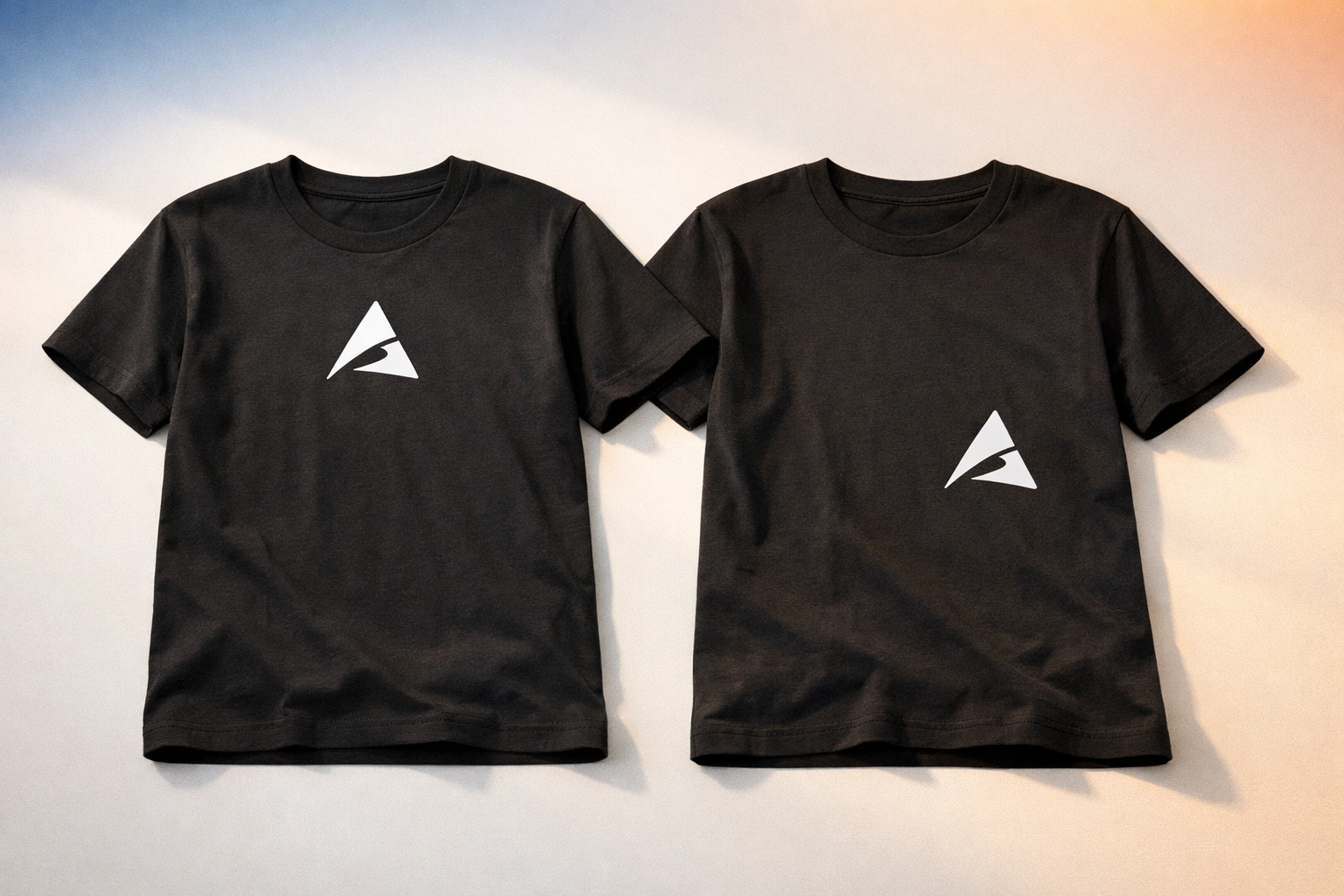
1. What Happens When We Need to Reorder?
This is the most underrated question in custom apparel.
If your team grows, you run low on certain sizes, or someone spills coffee on their shirt the day before an event, can you reorder the exact same product?
Here's what to ask:
Will the same garment still be available?
Apparel manufacturers discontinue styles regularly. If your original shirt gets phased out, you're starting from scratch: new blanks, new fit, new feel.
Will the color match?
Even if the same style is available, dye lots vary. A black shirt ordered in March may not match a black shirt ordered in September. If color consistency matters (uniforms, branded teams), ask how your printer handles lot matching.
Will the print placement stay consistent?
If you're adding new hires to an existing order, the last thing you want is someone's logo sitting half an inch lower than everyone else's. Ask if your printer archives placement specs and whether they guarantee alignment across reorders.
Consistency matters more than most people realize. A mismatched reorder doesn't just look sloppy: it signals a lack of attention to detail.
2. How Should We Decide on Size Quantities?
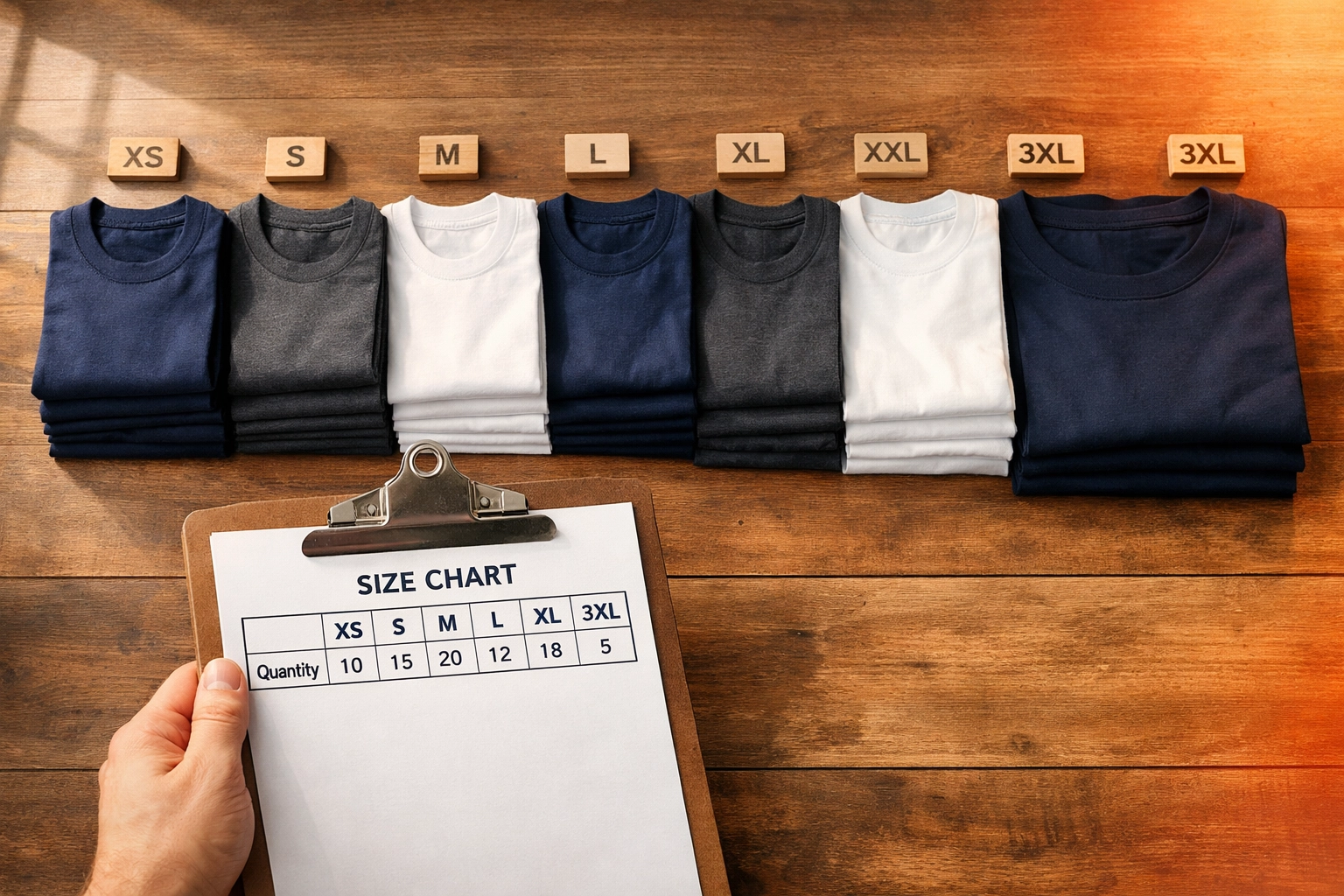
Guessing on size breakdowns is one of the most common and expensive mistakes.
Most people default to ordering a few smalls, a bunch of mediums and larges, and maybe one or two XLs. Then they end up with a closet full of smalls no one wears and three people fighting over the last large.
Ask whether your printer:
Recommends size curves based on team demographics
A high school sports team will have a completely different size distribution than a restaurant staff or corporate office. Experience matters here.
Tracks previous orders and adjusts future runs accordingly
If you're reordering, your printer should be able to pull up what sold out first and what's still sitting in storage. That data should inform your next run.
Helps you avoid over-ordering low-demand sizes
It's tempting to "cover all bases," but ordering five XS shirts "just in case" often means five shirts that never get worn. A good printer will tell you when you're over-indexing on sizes that historically don't move.
Ordering too many smalls and not enough larges isn't a pricing issue: it's a planning issue. And planning issues cost more in the long run.
3. What Is the Real Production Timeline?
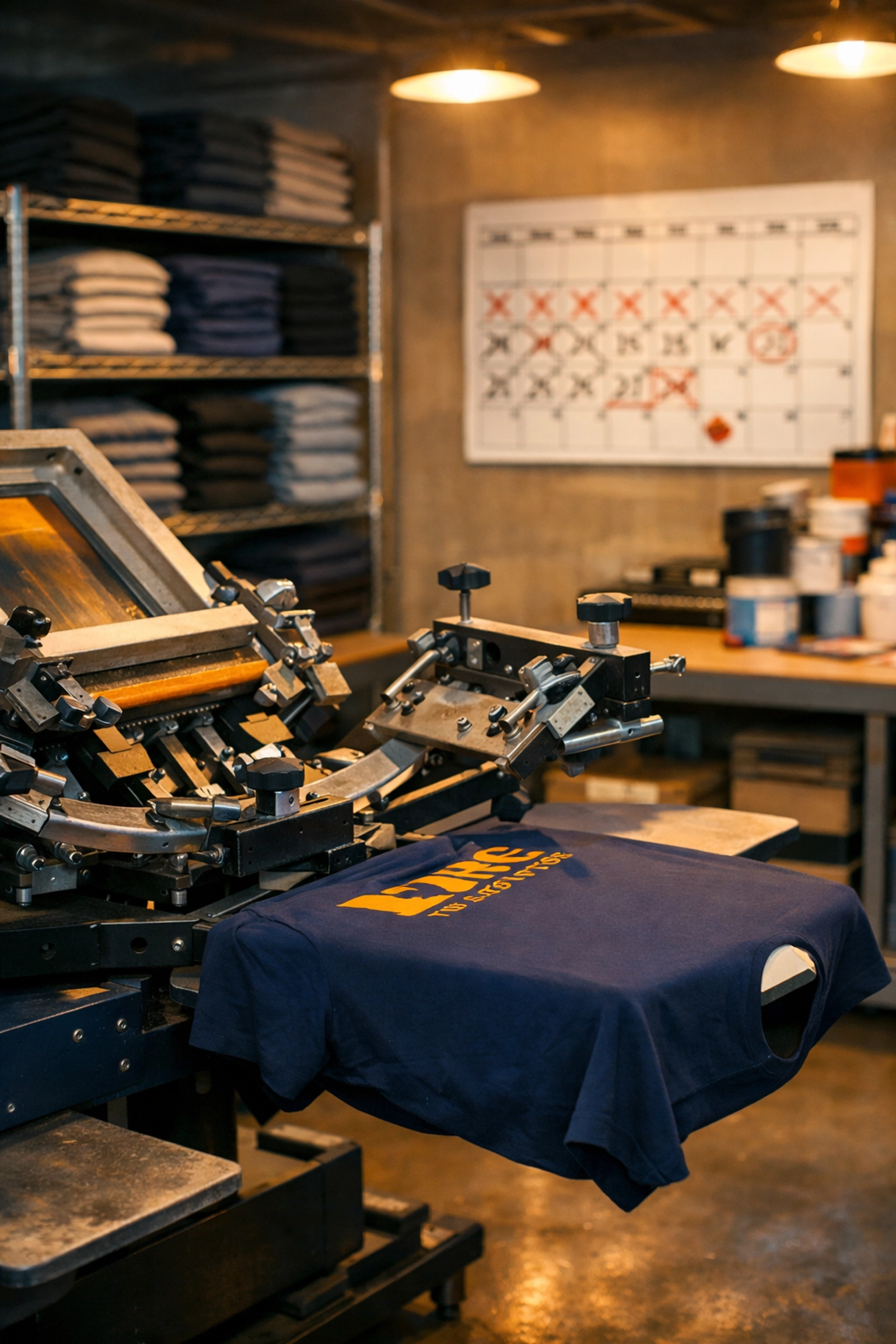
Instead of asking "How fast can you do it?" ask about the actual process.
What is your standard turnaround?
Rush orders exist, but they come with tradeoffs: higher costs, limited garment selection, and sometimes compromised quality. Understanding standard timelines helps you plan better.
When does artwork need to be finalized?
Most delays happen because artwork isn't print-ready. Ask when files need to be locked in and what "print-ready" actually means. If you're still tweaking colors or fonts the day before production starts, you're adding time.
What happens if a garment is backordered?
Supply chain disruptions are real. If your first-choice shirt is out of stock, does your printer have a backup option that maintains quality and consistency? Or are you stuck waiting indefinitely?
A structured production schedule is more valuable than a rushed promise. You want a printer who can deliver on time because they plan well: not because they panic-print at 2 a.m.
4. What Shirt Are We Actually Printing On?
Not all tees are created equal.
Fabric composition, shrinkage, fit, and print compatibility all affect how your shirts look and last. A lower-cost shirt that twists, fades, or shrinks may cost more in the long run.
Here's what to consider:
Fabric weight and feel
A 4.3 oz shirt feels completely different than a 6.1 oz shirt. Lighter fabrics work well for summer events or athletic wear. Heavier fabrics feel more substantial and durable. Ask about the garment's weight and how it wears over time.
Shrinkage and durability
100% cotton will shrink more than a cotton-poly blend. Pre-shrunk fabrics exist, but not all garments are treated equally. If your team is washing these shirts weekly, you want something that holds up.
Fit and comfort
Some shirts run true to size. Others run small. Some have a boxy fit; others are more fitted. If your team is wearing these shirts for eight-hour shifts, comfort matters.
Print compatibility
Certain fabrics take screen printing beautifully. Others work better with direct-to-garment printing or heat transfer. The wrong pairing can result in cracking, fading, or poor adhesion.
Here's something worth remembering: a shirt that gets worn is far more valuable than a shirt that sits in a bin.
If people don't want to pull it out of the wash, it doesn't matter how cheap it was. Quality isn't about luxury: it's about creating something people actually use. That's the difference between a promotional item and a functional piece of team identity.
At Breaking Free Industries, we work with brands like Bella+Canvas, Next Level Apparel, and Independent Trading Co. because they balance quality, consistency, and real-world wearability. We don't carry Gildan 18500 hoodies: when someone asks for a hoodie, we recommend the Independent Trading Co. IND4000 instead. It's heavier, cozier, and built to last.
The goal isn't to sell you the most expensive shirt. It's to match the right garment to how it will actually be used.
5. How Are Our Files Managed?
This one sounds boring until you need to reorder and realize your original artwork is gone.
Ask:
Will our artwork be archived?
If your printer keeps your files on record, reordering is seamless. If they don't, you're redesigning from scratch or hunting down that one email attachment from six months ago.
Can we reorder without redesigning?
Archived artwork should mean you can place a reorder with a single email or phone call. No back-and-forth. No "Can you send us the logo again?"
Will we receive print-ready versions of our files?
Some printers provide final production files so you have a backup. This is especially useful if you're working with multiple vendors or need to reproduce the design elsewhere.
Clean file management saves time, money, and frustration later. It also signals that your printer is organized and thinks beyond the immediate transaction.
Why These Questions Matter
Ordering custom tees isn't complicated, but it requires intentionality.
The cheapest quote often comes with hidden costs: inconsistent reorders, poor garment selection, delayed timelines, or lost artwork. The goal isn't to find the lowest price. It's to find a printing partner who understands how your order fits into your larger operation.
At Breaking Free Industries, we work with teams, restaurants, schools, and organizations that need reliability, not hype. We have no order minimums: single-item orders are welcome: and we focus on creating systems that work beyond the first order.
If you're planning a custom tee run, ask these five questions before you approve anything. And if your current printer can't answer them confidently, that's worth noting.
Ready to place an order? Start your project here or reach out with questions. We'll walk you through the process without the sales pitch.