
Second Chances Aren’t Just for One Kind of Comeback
Society has convinced us that second chances are charity. Something we give to people who’ve “messed up.” A kindness extended to those who’ve fallen off the right path.
This is complete nonsense.
Second chances aren’t charity. They’re oxygen. If that idea resonates, read how entrepreneurship becomes the ultimate escape hatch for justice-impacted women. Everyone needs them. Everyone gets them. The only difference is how honest we are about it.
Vera Wang was 19 years old when her Olympic dream died. She’d trained since age 7. Every morning before school. Every weekend. Every summer. Her parents drove her to rinks across the country, paid for coaches, costumes, travel.
At the 1968 U.S. Figure Skating Championships, she needed to place in the top three to make the Olympic team. She fell outside the top three. Her Olympic dream was dead.
Everyone told her what they always tell people whose first plan fails: “You gave it your best shot. Time to move on and find something realistic.”
She didn’t listen. (Sound familiar? The same spirit is behind Lopez’s own story of reinvention and entrepreneurship.)
The First Pivot
Wang understood something most people miss: failing at one dream doesn’t make you a failure. It makes you available for something else.
She turned to fashion. Enrolled at Sarah Lawrence College. Studied art history. Spent a semester in Paris. After graduation in 1971, she was hired at Vogue magazine.
Within a year, at 23, she became one of the youngest fashion editors in Vogue’s history. She worked with Irving Penn and Richard Avedon. Styled every major cover. Every major shoot. Every major designer.
This was her new dream. She’d work her way up and eventually become Editor-in-Chief.
Seventeen years she climbed that ladder. Seventeen years of late nights, weekend shoots, traveling for fashion weeks. Seventeen years waiting for her shot.
In 1987, the Editor-in-Chief position opened up. She was 40 years old. Ready. Qualified. Deserving.
They gave it to Anna Wintour instead.
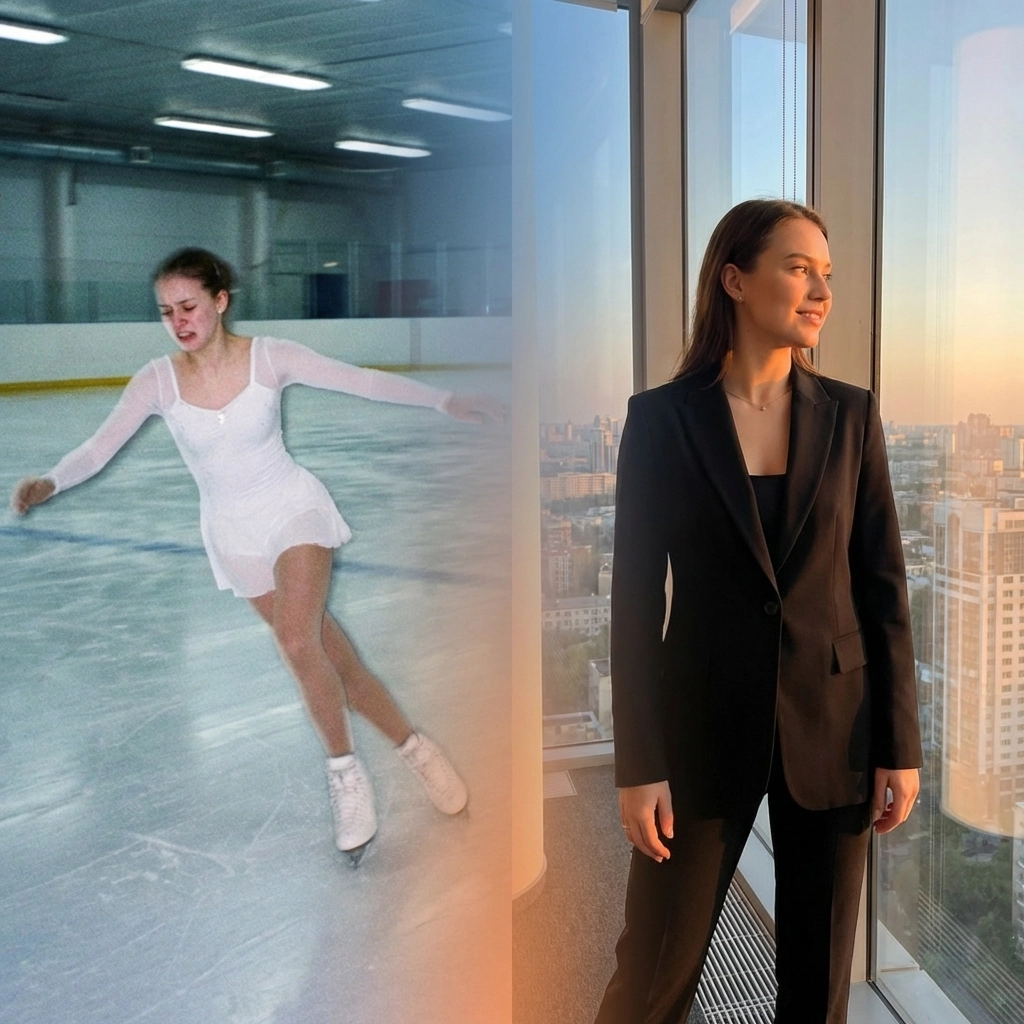
The Second Pivot
Most people would call this a career setback. Wang called it permission to build something nobody could take away.
She left Vogue after 17 years. Took a job at Ralph Lauren as design director for accessories. Completely different role. Learning the business side. Watching how an empire actually gets built.
At 40, she was planning her wedding. Started shopping for a dress. Went to every bridal salon in Manhattan. Looked at hundreds of gowns. Hated every single one.
Everything was designed for 25-year-olds getting married right out of college. Nothing modern. Nothing sophisticated. Nothing for a woman who’d built a career first.
She felt invisible.
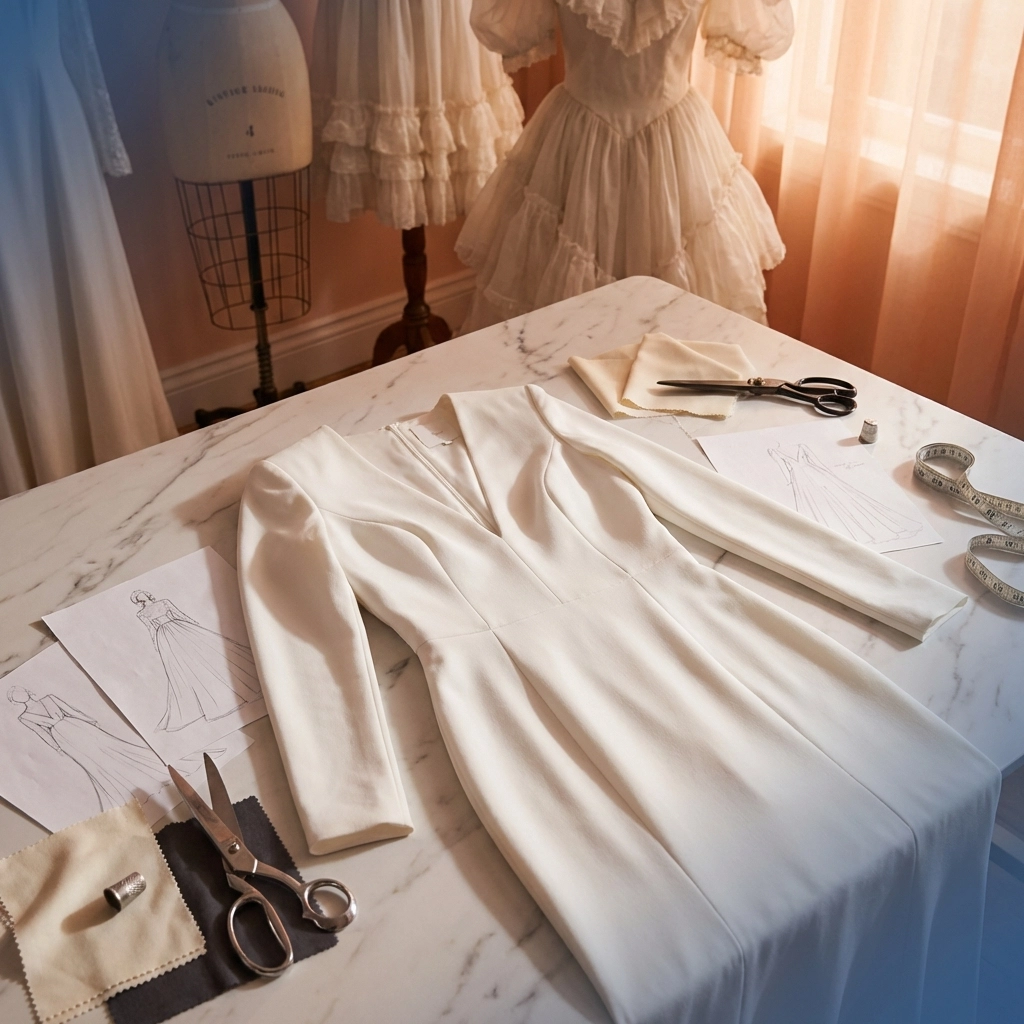
So she sketched her own design. Hired a dressmaker. Spent $10,000 on a custom gown.
After the wedding, her father pulled her aside. “You just solved a problem millions of women have. Build a business around it.”
In March 1990, Wang opened Vera Wang Bridal House on Madison Avenue. She was 40 years old. Failed Olympic athlete. Passed-over magazine editor. Zero formal design training.
People in the fashion industry weren’t kind: “She’s a magazine editor playing designer. Forty years old with no training? She’ll be bankrupt in a year.”
She didn’t listen. (Sound familiar? The same spirit is behind Lopez’s own story of reinvention and entrepreneurship.)
Today, Vera Wang’s net worth is $650 million. In 2024, she sold her brand to WHP Global in a deal that valued the company at over $500 million.
The Pattern Nobody Talks About
Wang’s story isn’t unique. It’s normal.
Simone Biles stepped back from gymnastics to address mental health issues. She returned stronger. CJ Bott, an international football player, was misdiagnosed and nearly broke from exhaustion. He came back “the strongest I had been in a long time.”
Sophie Pascoe faced COVID delays and severe depression before the Paralympics. After working with experts and healing, she won two gold, one silver, and one bronze medal at Tokyo 2021.
Richard Nixon achieved what historians call a “remarkable” political resurrection after being “down and out.” Kurt Warner went from poverty to Super Bowl victory.
These aren’t feel-good stories. They’re data points proving a simple truth: starting over is normal human behavior.
The difference between people who rebuild and people who don’t isn’t talent or luck. It’s honesty about what second chances actually are.
What Second Chances Really Mean
Second chances aren’t about redemption. They’re about recognition.
Recognition that:
- First plans fail more often than they succeed
- Getting passed over isn’t proof you weren’t good enough
- Age doesn’t disqualify ambition
- Starting over at 40 (or 50, or 60) isn’t late: it’s exactly when you stop waiting for permission
Every successful person has pivoted. Every empire was built by someone who failed at something else first. Every breakthrough came after someone refused to accept that their current situation was their final situation.
The only difference between Vera Wang and someone still complaining about not making the Olympics at 19 is this: Wang treated failure as information, not identity.
She didn’t spend 17 years at Vogue thinking she was “lucky to be there.” She spent 17 years learning how the industry worked so she could build something bigger.
She didn’t open a bridal shop because she “settled for fashion.” She opened it because she identified a problem nobody else was solving.
The Connection We Don’t Make
At Breaking Free Industries, we work with people who’ve been incarcerated. Society loves to talk about their need for “second chances” as if starting over is unique to their situation.
It’s not.
Starting over is what humans do. It’s what Vera Wang did twice before 40. It’s what every entrepreneur does when their first business fails. It’s what every athlete does after an injury. It’s what every artist does when their work gets rejected.
The only difference is honesty about the process.
People leaving prison have to rebuild openly. Everyone else gets to pretend their pivots were “always part of the plan.”
But here’s what both groups share: the people who succeed are the ones who refuse to let their current situation become their permanent situation.

What Starting Over Actually Looks Like
Starting over isn’t inspirational. It’s practical.
It means:
- Admitting your current plan isn’t working
- Learning new skills at an age when most people think they’re done learning
- Building something from nothing when you thought you’d already built something
- Ignoring people who think your age disqualifies your ambition
It means understanding that being passed over isn’t proof you weren’t good enough. It’s proof you were meant to build something they couldn’t give you.
Vera Wang didn’t complain about not making the Olympics. She didn’t spend decades bitter about Anna Wintour getting the Vogue job. She treated both rejections as redirections.
And at 40, when most people think it’s too late to start over, she built an empire.
Your Turn
What dream are you giving up because you didn’t make it the first time?
What job rejection are you treating like an ending instead of a redirect?
What are you not building because you think you’re too old, too late, or too far behind?
The story you’re telling yourself about why it’s too late to start over? That’s not wisdom. That’s fear.
Wang failed to make the 1968 Olympics. Devastating.
Spent 17 years climbing the ladder at Vogue. Passed over for Editor-in-Chief.
Started a fashion business at 40 with zero design training.
Built a $650 million empire anyway.
Because she understood something most people don’t: failure at one thing doesn’t make you a failure. It just makes you available for something bigger.
Stop giving up after the first rejection. Stop listening to people who think 40 is too old to reinvent yourself. Stop waiting for permission to build the thing you couldn’t find a solution for.
Sometimes the greatest empires are built by people who failed at their first dream.
Don’t quit. Pivot.
And remember: second chances aren’t charity. They’re what everyone needs to become who they’re meant to be.