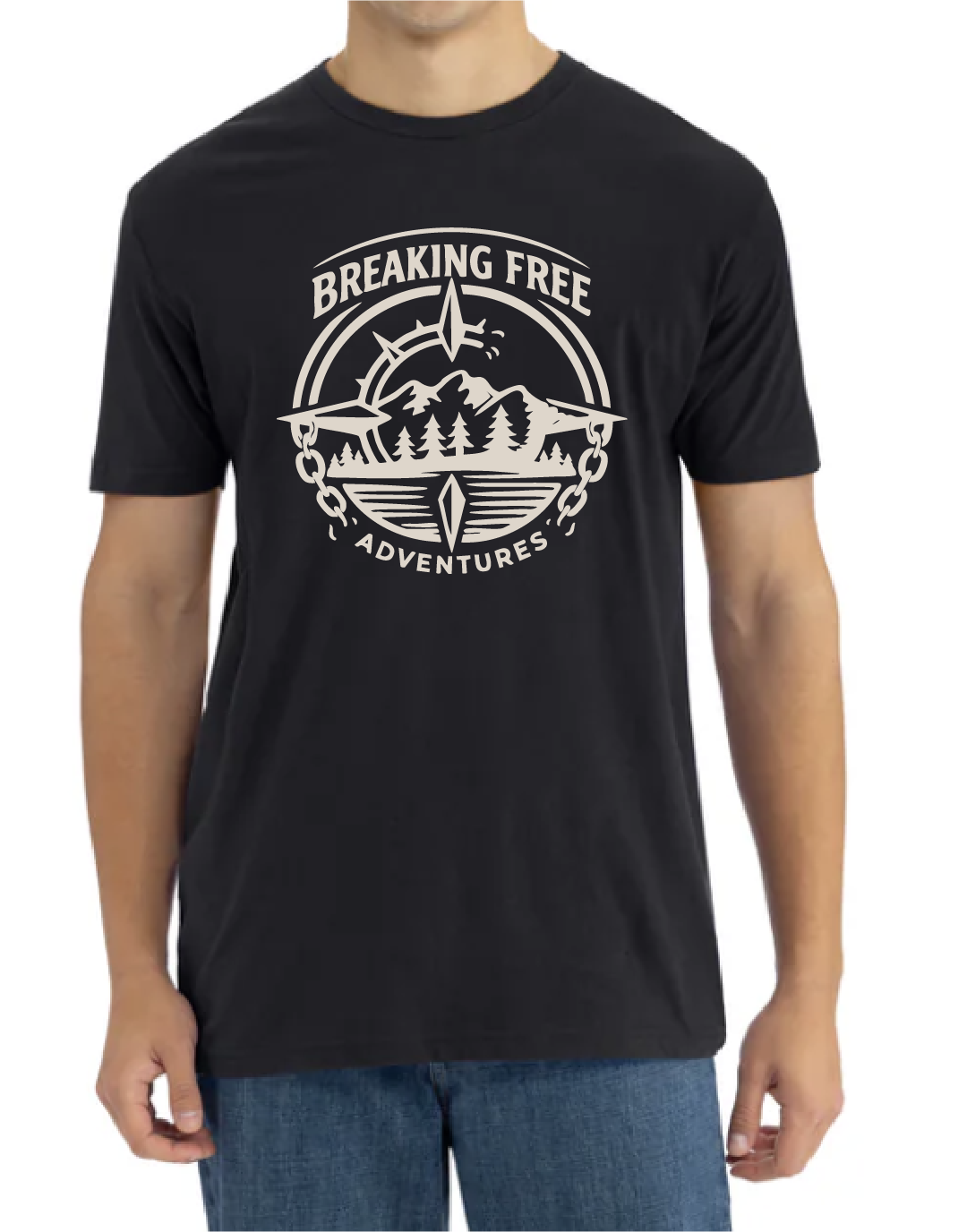
The Most Expensive Shirt Is the One Nobody Wears: 7 Hidden Failure Points in Cheap Merch (and How Pros Avoid Them)
The print job was perfect. Colors matched. Placement was dead-on. But three months later, the shirts are still sitting in desk drawers and car trunks.
Here’s the uncomfortable truth: the first failure point isn’t the ink, it’s the blank. (Proof: why cheap tees fail in 2026.)
Most buyers focus on print quality and unit price. Meanwhile, the real question goes unasked: Will people actually wear this? If the shirt doesn’t feel right on the body, it becomes expensive decoration for a drawer. The cheapest per-piece cost often delivers the highest cost per wear.
What “Success” Actually Looks Like
Before diving into failures, let’s define success the way experienced buyers actually measure it:
- Wear rate: Do people reach for it again?
- Brand signal: Does it match who we are as an organization?
- Longevity: Does it still look good after multiple washes?
- Operational ease: Does distribution go smoothly?
Everything else is just procurement theater.
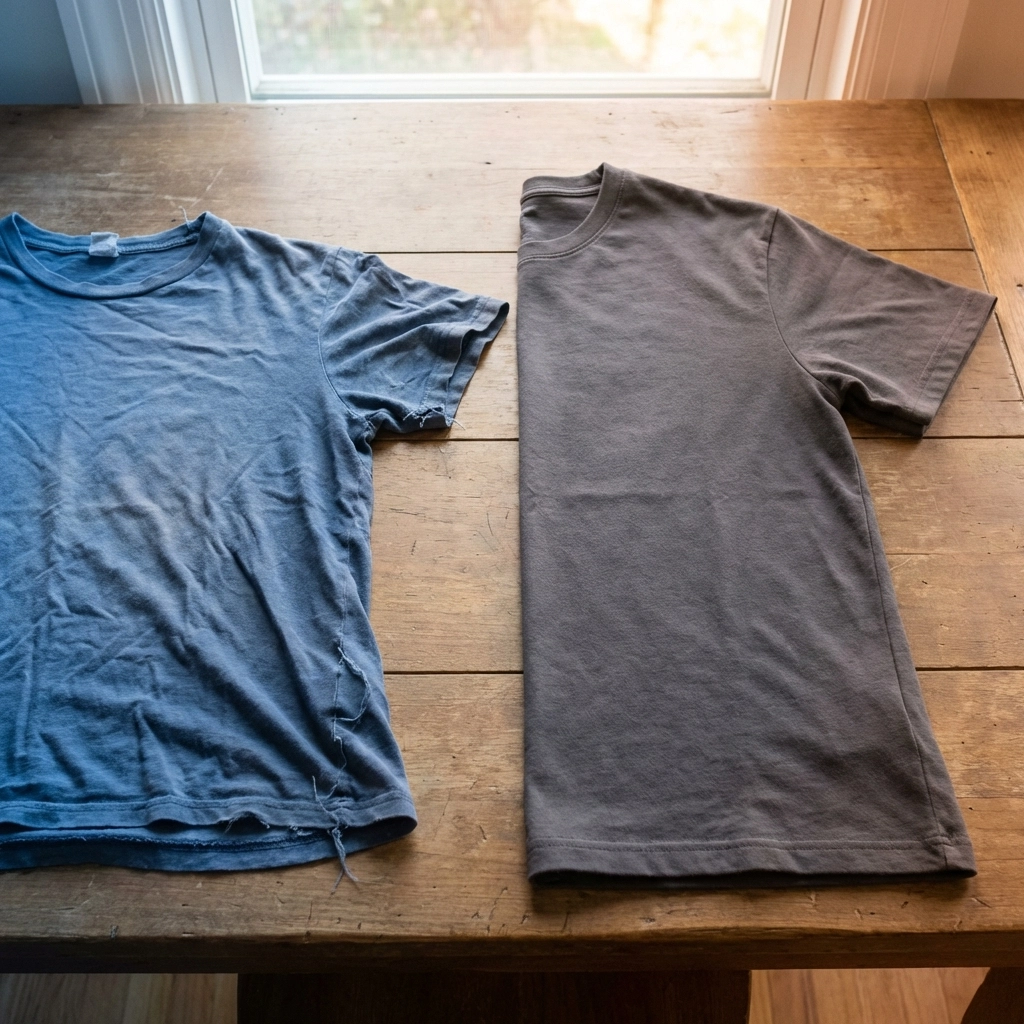
Failure Point #1: Picking Blanks by Price Instead of Audience — compare options in our Midweight Tee Guide
The Mistake: Ordering the cheapest available tee because “it’s just a giveaway” or “people should be grateful for free stuff.”
What Happens: The shirts feel rough, fit awkwardly, and end up as shop rags or donation box filler. Your brand becomes associated with corners cut.
How Pros Handle It: Start with context, not cost. Staff uniforms need different specs than conference swag. A fundraiser tee has different requirements than sponsor appreciation merch.
For streetwear vibes that people actually want to wear: Shaka Wear and Los Angeles Apparel deliver that heavyweight, boxy aesthetic that feels intentional, not cheap.
For everyday comfort that works across demographics: Independent Trading Co. and AS Colour hit the sweet spot of substantial feel with soft hand.
Failure Point #2: Fit Assumptions (Unisex Isn’t Universal)
The Mistake: Ordering one “standard unisex” cut and expecting everyone from size XS to 3XL to love it.
What Happens: Half your audience gets shirts that don’t fit their body or style preferences. Women especially get stuck with boxy, unflattering cuts they’ll never wear in public.
How Pros Handle It: Choose fits intentionally and state them clearly. Next Level (NLA) and Bella+Canvas (BC) excel at retail-style fits that actually flatter different body types. Their retail/unisex tees are fairly generous, and both brands also offer women’s cuts (crew or v-neck) that run slightly tighter with smaller shoulders. Translation: “unisex” isn’t universal. Their women’s cuts aren’t just “shrunk down men’s shirts.”
Plan size runs based on actual distribution, not guesswork. Build in size swaps without making it a whole production.
Failure Point #3: Wrong Fabric for Your Brand Identity
The Mistake: Grabbing whatever’s available without considering how fabric choice signals brand personality.
What Happens: Your premium brand gets associated with thin, clingy shirts that feel cheap. Or your rugged, authentic brand gets soft retail tees that don’t match the energy.
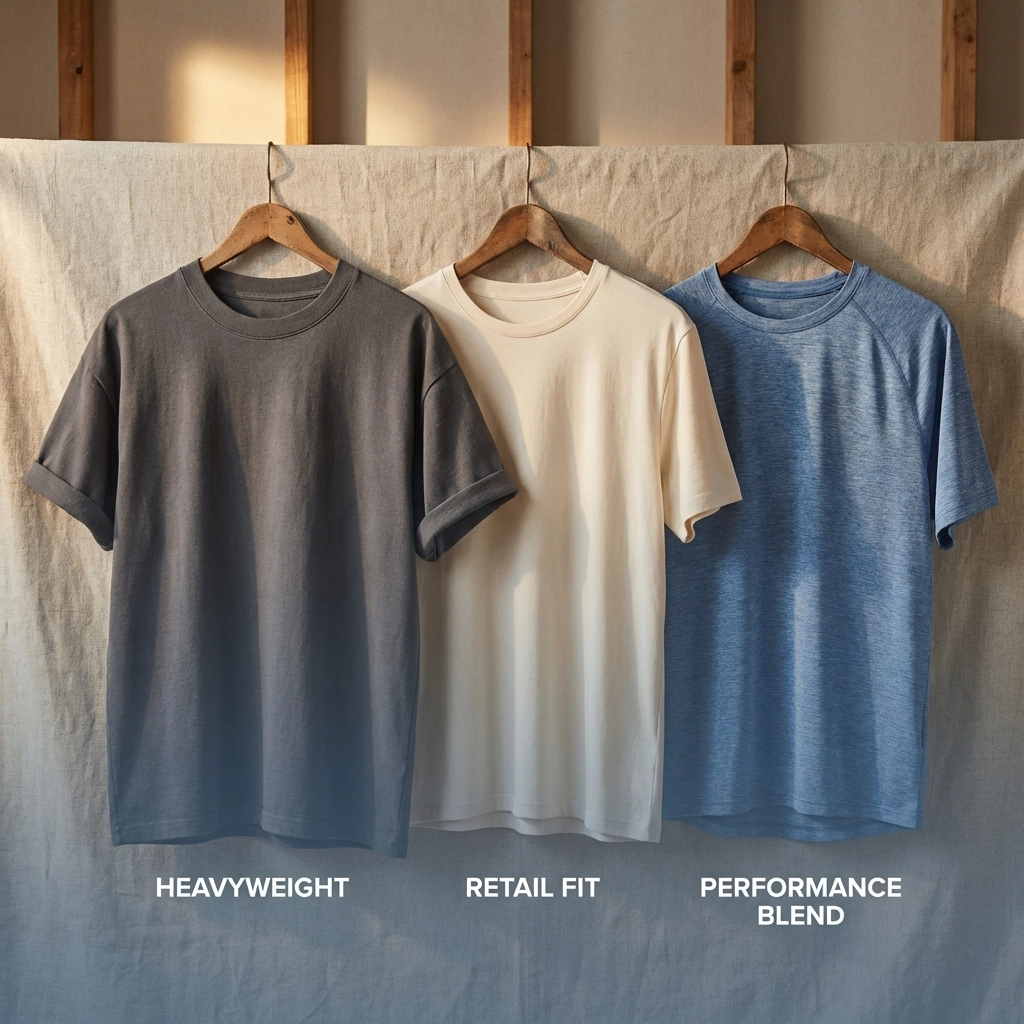
How Pros Handle It: Match fabric to identity deliberately:
- Combed ringspun cotton for that retail-soft feel
- Heavyweight cotton for structured streetwear presence
- Poly blends when performance matters (and you understand the trade-offs)
The fabric is part of your message. Choose accordingly.
Failure Point #4: It Looks Fine New… Then Dies After Two Washes
The Mistake: Not considering what happens after the first wash: shrinkage, twisting, collar bacon, pilling, fading.
What Happens: People wear it once, wash it, and discover it no longer fits or looks decent. Your “high-quality” merch becomes evidence of poor judgment.
How Pros Handle It: Choose blanks with consistent pre-shrunk construction. Plan print methods that support longevity, the wrong ink choice can crack or peel even if the shirt holds up.
Set honest expectations about care. Don’t promise “lasts forever” when you mean “looks good for six months of regular wear.”
Failure Point #5: Last-Minute Blank Substitutions
The Mistake: “We’ll just print the same design on whatever shirt is available” when your first choice goes out of stock.
What Happens: The substitute feels different, fits different, and the print behaves differently on different fabric content. People notice inconsistency.
How Pros Handle It: Treat blank changes as spec changes. Confirm fabric content, color matching, and fit differences. Flag how the print will change, ink opacity and hand feel shift between fabric blends.
Keep a pre-approved shortlist of alternatives before the rush hits. Better to delay than substitute badly.
Failure Point #6: Merch Distribution Chaos
The Mistake: Planning merch like a product but distributing it like chaos. Boxes arrive unsorted, staff spends hours sorting sizes, wrong people get wrong sizes, leftovers pile up.
What Happens: “Merch day” becomes a headache instead of a win. The operational friction reflects poorly on the buyer and makes people dread the next merch rollout.
How Pros Handle It: Plan packout during ordering: size sorting, labeling, department bundles, multiple ship-to locations. Have a clear policy for extras and swaps.
The goal is seamless distribution, not a logistics puzzle that requires overtime to solve.

Failure Point #7: No Sampling Step
The Mistake: Approving from web photos and price sheets. “It looks fine online” becomes “This feels terrible in person.”
What Happens: You only discover fabric quality, fit issues, and color problems after you’ve committed to hundreds or thousands of pieces.
How Pros Handle It: Simple sampling strategy: Get a blank to touch and check fit. Request a placement mockup for scale. For high-stakes projects, invest in one pre-production sample even if it adds a day to timeline.
The fastest way to go slow is skipping the step that prevents regret.
The Real Economics of Quality
Here’s the math that matters: A $3 shirt that never gets worn costs infinitely more per wear than a $8 shirt that becomes a favorite.
Quality blanks cost more upfront but deliver better outcomes:
- Higher wear rates (people actually use them)
- Better brand association (quality reflects on you)
- Lower total cost of ownership (fewer replacements, complaints, or do-overs)
Your Quick Quality Check
Before approving any merch order, run this simple test:
- Would I wear this on a Saturday?
- Does the fabric match our brand personality?
- Is this a fit most people feel good wearing?
- Will this hold up after normal washing?
- Do we have a realistic distribution plan?
If you can’t answer “yes” to all five, you’re about to create expensive drawer decoration.
The goal isn’t perfect merch. It’s merch that gets worn. Everything else is just procurement paperwork.
When you’re ready to spec a project that people will actually wear, focus on the blank first, decoration second. Your audience: and your budget( will thank you.)