Why Restaurants Without Branded Apparel Miss Easy Visibility
You already pay for staff shirts.
You already pay people to wear them.
Buying blanks is choosing invisibility.
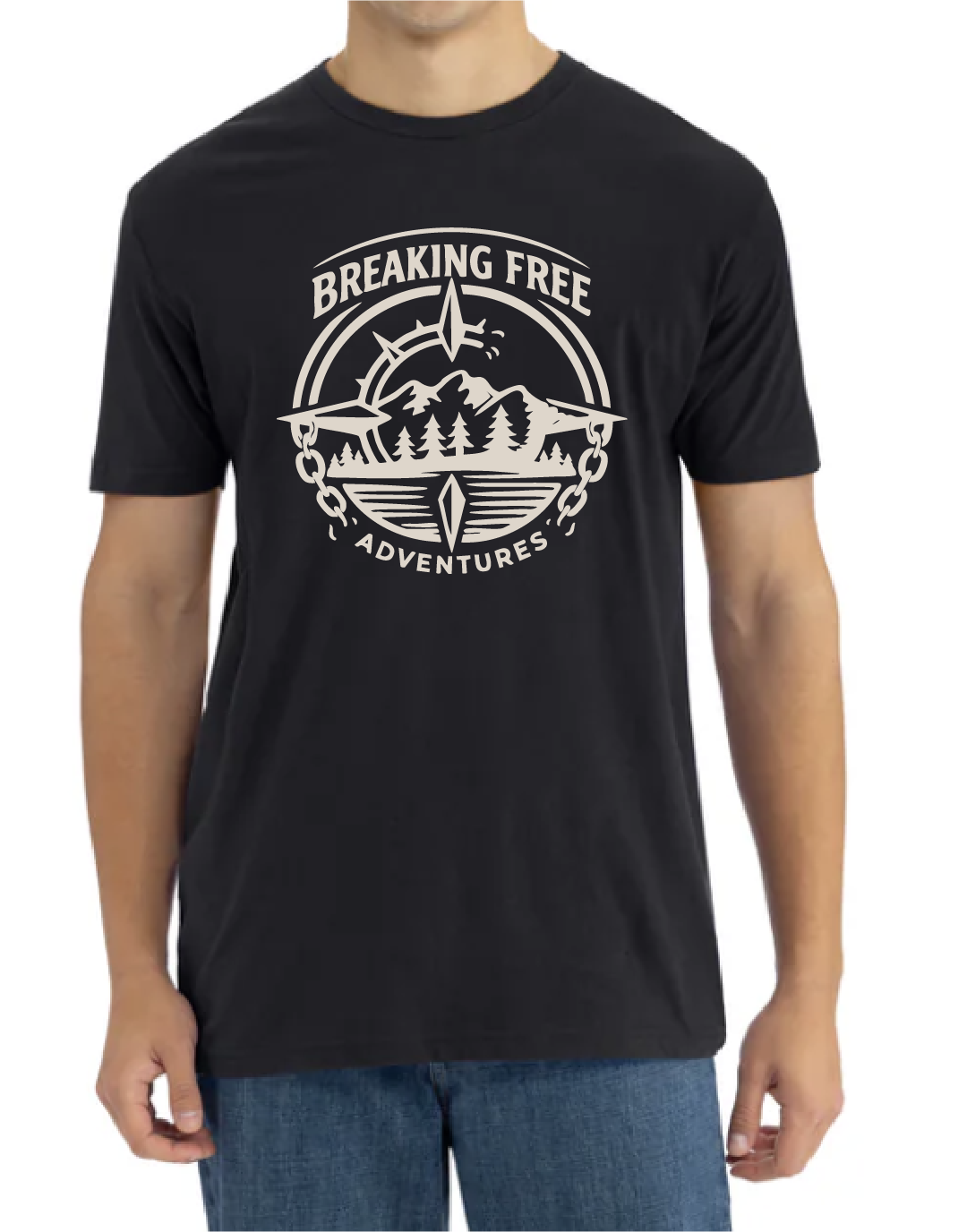
Most Orange County restaurants treat uniforms like a cost to minimize: generic, “clean,” forgettable. Meanwhile, each shift is repeated exposure. The Bella+Canvas 3001 — soft, retail-fit, and available in 100+ colors — is the blank your front-of-house staff will actually want to wear. Commutes count. Errands count. Off-hours in uniform counts. Your restaurant is either being recognized or not.
You already own the labor and the fabric. The only question is whether the shirt carries your brand.
The Missed Opportunity
Most operators don’t calculate the exposure delta between a blank black polo and a branded one.
A blank shirt says “I work somewhere.”
A branded shirt says “I work here.”
The cost difference is usually a few dollars in screen printing.
The visibility difference compounds. An employee wears the shirt twice a week for six months. That’s roughly 50 shifts, plus commutes and errands, plus the occasional tagged photo. Compare that to $12 in digital ads that vanish after a scroll.
One builds brand memory through repetition in the real world. The other rents attention for seconds.
Most restaurants still treat apparel like an expense instead of distribution.
The Marketing Math
Numbers make this simple.
A decent quality branded tee costs approximately:
- $8 for the blank (wholesale, ethically sourced)
- $4 for a single-color screen print
- Total: $12 per shirt
Now assume an employee wears it:
- 2 shifts per week
- For 6 months (26 weeks)
- That’s 52 exposures during work shifts alone
Add:
- Commutes
- Errands
- Gym
- Social posts
You’re realistically at 75–100+ impressions per shirt over six months. That’s before the “Where do I get one?” conversations, or the fact that comfortable shirts keep getting worn.
Compare that to digital. $12 on Facebook or Instagram can buy 1,000–2,000 impressions. Fine. But how many are local, trusted, and repeated in physical space?
Very few.
Branded employee apparel works where your customers actually live, and it’s delivered by the people already representing you each shift.

Brand Familiarity
Brand exposure doesn’t force purchase. It builds familiarity.
Familiarity builds comfort.
Comfort builds preference.
Preference drives revenue.
Your staff becomes distribution. Every time someone sees your logo at the farmer’s market, a kid’s game, or in line at Target, that’s a small deposit in “places I recognize.”
On a Friday night decision, most people aren’t analyzing. They’re choosing from the few places that feel familiar and trustworthy.
If your team has worn your mark around Orange County for months, you’re in that set. If they’ve worn blank black polos, you aren’t.
This isn’t about slogans. It’s about showing up before the decision.
The 50–500 Solution
Where restaurants get stuck is assuming branded apparel means a 2,000-piece bet and a storage problem.
In practice, most programs live in disciplined 50–500 unit runs:
- Enough pieces to keep the team consistent
- A reorder rhythm that replaces worn items and covers new hires
- One systemable design that works across tees, polos, hoodies, and hats
The goal isn’t volume. It’s consistency and visibility. The staff looks cohesive. The brand becomes recognizable. Inventory stays sane.
We also hold the line on ethical sourcing. Every blank we print on is sweatshop-free. If your name is on the chest, the supply chain is part of the brand whether you talk about it or not.
The Margin Angle
Assume you sell branded tees to customers. Not as a hobby. As a controlled revenue line that also carries marketing value.
Math:
- Cost basis per shirt: $10–$12 (blank + print + basic packaging)
- Retail price: $25
- Units sold: 50 shirts in a quarter
That’s:
- Gross margin: $650–$750
The difference versus typical merch is what the buyer is doing after the purchase. They’re wearing the logo in public. That’s contribution margin plus ongoing impressions.
Compare that to spending $650 on ads. Ads stop the moment you stop paying. A shirt keeps showing up for months.

Where We Fit In
This only works if it’s run like an ops system.
Step 1: Standardize staff apparel with a consistent set. Tees for heat. Polos or long sleeves for cooler months. Hoodies for open/close shifts.
Step 2: Offer the same pieces for sale in a controlled way. Small display near the register. A link on the site. One post when it’s in stock. No “merch launch.”
Step 3: Reorder on a cadence. Quarterly is common. It replaces worn pieces, covers staffing changes, and keeps branding consistent without overbuying.
This isn’t a clothing line. It’s converting an existing uniform budget into repeat visibility.
The Second-Chance Piece (Without the Poster)
Breaking Free Industries runs production the way we’d want it run inside our own operation: screen printing and embroidery that’s consistent, scheduled, and built for repeat orders.
The team doing that work is made up of people rebuilding after conviction. Not as a feel-good add-on. As the core model. The standard is the work.
Second chances aren’t limited to one category of person. Operators rebuild after a bad lease. Athletes come back from injury. Founders recover from a blown payroll. People get another shot when they choose discipline and someone gives them a lane to prove it. That’s the lane we’re building.
When you order from us, you’re buying execution on ethically sourced, sweatshop-free blanks, and you’re keeping that lane open through steady work.
Call to Action
If your team isn’t consistently wearing branded apparel, you’re giving up repeated local impressions and a clean merchandising margin.
You already pay for the labor. You already pay for the shirts. The variable is whether the uniform is doing any work beyond “looks acceptable.”
If you want to spec a disciplined 50–500 unit run (staff first, customer merch second), start here:
Build Your Visibility Plan here
We’ll walk through design, garment options, and pricing in plain terms, then execute.