AS Colour: The Full Story — From a New Zealand Garage to the Blank That Runs American Print Culture

There is one question every print decorator hears from serious clients: What blank are you printing on? Increasingly, the answer is AS Colour. Not because of a marketing campaign. Because decorators who care about the finished product — the ones printing for musicians, skate labels, mission-driven organizations, and people who are going to live in that shirt — figured it out the same way Breaking Free Industries did. You feel it the moment you hold one.

A Garage in Auckland. A Problem Worth Solving.

The year is 2005. Lawrence Railton is 30 years old, working distribution for skate and surf labels in Auckland, New Zealand. He has spent years handling product. He knows what a good garment feels like. He also knows that a truly great plain T-shirt — the right weight, the right ring-spun cotton, the right cut — basically did not exist at a wholesale level in New Zealand. The premium options were out of reach for small labels. The affordable options printed like paper bags and died after six washes.

So he started one. AS Colour — Apparel Studio — launched out of a Parnell garage with a simple thesis: build the best blank in the market, sell it wholesale, and let other people’s creativity do the rest.

The Name: AS stands for Apparel Studio. The name reflects the brand’s foundational purpose — not to be the finished product, but to be the canvas. The studio. The starting point for someone else’s vision.

The early growth was pure word-of-mouth. The warehouse near Mt Eden prison started opening its doors on Saturdays, nightclub-style — customers had to be buzzed in. It became the cool place to get T-shirts. Auckland’s streetwear labels, bands, and small creative brands ran on AS Colour in the early 2010s. “Customers would ask what blank you were using,” recalled one print operator. “It became part of the literacy of T-shirt buyers.”

“Everyone probably worked with them at some point. They were kind of the backbone of making any kind of streetwear at that time.” — Mike Hall, Co-Founder, Arcade Skate Brand (NZ)

For small brands with small minimums, blanks made the barrier to entry really low. By the early 2010s, AS Colour had multiple warehouses and had expanded to Australia, becoming the place to stock up on basics. The formula was deceptively simple: consistent quality, consistent sizing, consistent stock availability. In an industry full of surprises, AS Colour removed the variables.

Why Printers Obsess Over It

Talk to any serious screen printer and they’ll say the same thing: the AS Colour substrate is better to print on. The tight weave of their ring-spun cotton gives ink somewhere to grab. The result is a crisper halftone, better color saturation, and artwork that looks the way it’s supposed to look — not the slightly-blurry, slightly-dull version you get on a cheaper tee.

“As a printer, your work looks a lot better on their shirts,” said Jon Thom of Print Room, a Dunedin screen print and embroidery operation that has worked with AS Colour since its founding twelve years ago. That’s not a brand claim. That’s a printer talking about their livelihood.

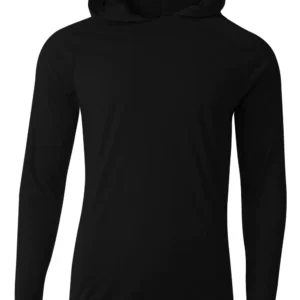
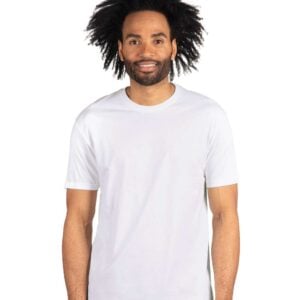
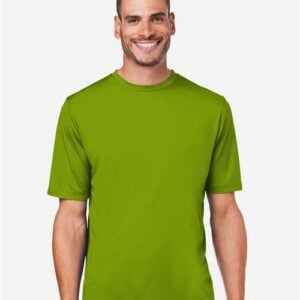
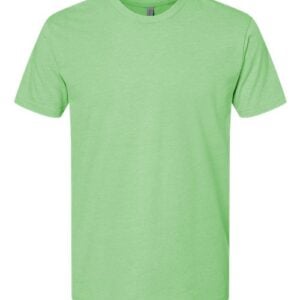
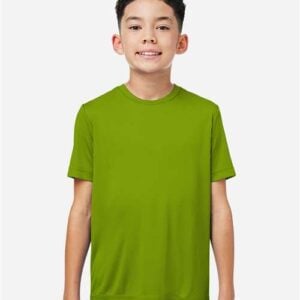
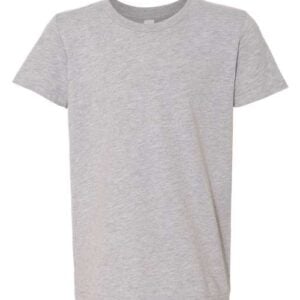
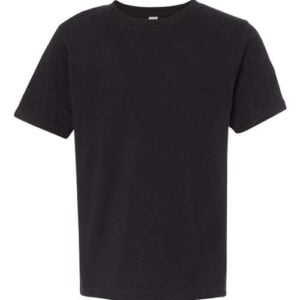
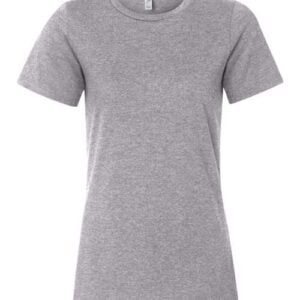
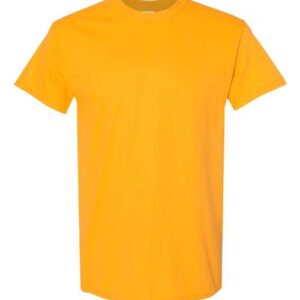
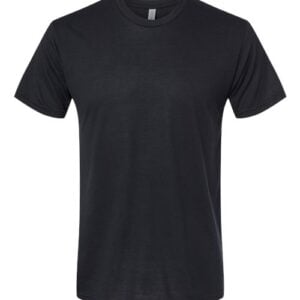
AS Colour puts their focus into the fit, the fabric, and the finish of every single piece they produce. Their T-shirts, sweats, and wider range aren’t just clothes; they’re canvases, ready to be decorated, customized, and worn repeatedly. Their emphasis on longevity and timeless design offers a refreshing alternative to fast fashion. When you choose an AS Colour blank, you’re not making a seasonal purchase. You’re buying something that will hold its shape, its color, and its print integrity through years of wear.

By the Numbers

  • Founded: 2005, Auckland New Zealand
  • Estimated Valuation: $1 billion–$1.5 billion
  • Styles Available: 350+
  • SKUs in US Warehouses: 9,000+
  • Factory Partners: 32
  • Ethical Fashion Report 2024 Ranking: #5 out of 460 brands assessed

How AS Colour Came to America

The expansion to the US wasn’t a pivot — it was a logical extension of a model that was already working on three continents. AS Colour was initially operating in New Zealand, Australia, and California when New Zealand private equity firm Direct Capital took a minority stake in 2017 to fuel international growth.

Their original US warehouse landed in Carson, California — 90,052 square feet in the heart of the state’s skate and streetwear culture, close to the Ports of Los Angeles and positioned within a critical logistics hub. That wasn’t an accident. Southern California is where print culture lives — where decorated apparel shops, merch operations, and brand-building happens at scale. AS Colour planted their flag in the right soil.

They later added a 240,000 square foot Charlotte, North Carolina warehouse for East Coast coverage, giving them over 10 million units on hand across the two US locations spanning 350+ styles and 9,000+ SKUs.

US Locations Today:
West Coast: 1420 E. Victoria Street, Carson, CA 90746
East Coast: 11109 Quality Drive, Charlotte, NC 28273
Showroom visits are by appointment. They do not sell retail out of the warehouses — this is a wholesale operation built for print shops, brands, and decorators.

The US market responded the same way New Zealand did in the early 2010s — through print professionals finding the product, printing on it once, and never going back. AS Colour became the default specification for the kind of client who reads the label.

Ethics Aren’t a Marketing Strategy. They’re the Operating Model.

Here is where AS Colour separates from the field — not in the fabric weight, not in the color range, but in how they actually run their supply chain. This matters to us at Breaking Free Industries. A lot. Our mission is built on giving people a second chance. We don’t print on garments made by people who weren’t given a first one.

AS Colour ranked fifth highest in the Ethical Fashion Report 2024 out of 460 brands assessed. They have been included in this report for the past six years, continually improving their work across five key ethical and sustainable performance areas.

Their supply chain consists of 32 factories, with 40% of production in China, 55% in Bangladesh, and 5% in Vietnam. They have 100% traceability across all their garment suppliers and visit and audit all factories to ensure compliance with their Code of Conduct and BSCI standards.

AS Colour targets medium-sized factories who work with like-minded ethical brands, and strategically builds relationships with smaller factories to become a significant influencer — occupying the larger percentage of their business. Within factories, they fully occupy designated production lines, taking responsibility for constantly feeding those lines to ensure stability and realistic targets for workers.

Most brands squeeze factories on price and timing, creating the pressure that leads to unsafe conditions and unpaid overtime. AS Colour does the opposite — they respect that not all workers want to work overtime, understand the true value of quality and the real cost of a product, and conduct open and honest negotiations, accounting for and agreeing to any price increase requests.

“AS Colour asks for good fabric quality and good sewing quality. Meanwhile, AS Colour is willing to pay a reasonable price to get a good quality product.” — Factory Partner Testimonial, via AS Colour Sourcing FAQ

That’s a factory saying they’re being treated fairly. In an industry defined by pressure in the opposite direction, that quote is extraordinary.

In November 2023, AS Colour donated 5,000 T-shirts and tanks to the I Am Hope Foundation in New Zealand for Gumboot Friday — a campaign that raises funds for free mental health counseling for young New Zealanders under 25. That’s not a sponsorship. That’s a company putting product into the hands of a cause they believe in because they have the capacity and the will to do it.

There is no AS Colour drop culture. No hype releases. No plastic-wrapped seasonal garbage designed to be worn three times and thrown away. The entire business model is built on the opposite premise: create exceptional quality garments built to last, reduce waste, and encourage conscious consumption. Their own guidance: if you care for your garments and extend their life by as little as nine months, you can reduce their carbon footprint by around 20 to 30 percent.

Why We Print on AS Colour at Breaking Free Industries

Breaking Free Industries exists to prove that a human being’s worst day does not define them. We hire people who have been through the criminal justice system and we put them to work making things worth making, for clients worth working with. That mission demands that every element of what we produce — the ink, the process, the substrate — reflects the same values.

AS Colour clears that bar. They make the best blank we have ever printed on. Their ethics are not a marketing position — they are a documented, audited, improving operational standard. Their growth did not come at the expense of the people making the clothes. Their presence in the US market means we can get stock reliably, in consistent colors, in the sizes our clients actually need.

When a client asks what blank we’re using, we say AS Colour without hesitation — and we can explain exactly why.

Common Questions About AS Colour

What does AS Colour stand for?
AS stands for Apparel Studio. The name reflects the brand’s founding philosophy — to create a high-quality blank canvas for other people’s creativity. AS Colour was founded in 2005 by Lawrence Railton in Auckland, New Zealand.

Where is AS Colour made?
AS Colour garments are produced across 32 factory partners, primarily in Bangladesh (55%), China (40%), and Vietnam (5%). They maintain 100% supply chain traceability and conduct regular third-party audits of all factory partners. They ranked 5th in the Ethical Fashion Report 2024 out of 460 assessed brands.

Does AS Colour have warehouses in the United States?
Yes. AS Colour operates two US distribution centers: a 90,052 sq ft warehouse in Carson, California, and a 240,000 sq ft warehouse in Charlotte, North Carolina. Together they hold over 10 million units across 350+ styles and 9,000+ SKUs, with showroom visits available by appointment.

Is AS Colour good for screen printing and embroidery?
Yes — AS Colour is widely considered the premium standard for decorated apparel. Their ring-spun cotton construction provides a tight, even weave that produces crisper prints, better color saturation, and superior results for both screen printing and embroidery. It is the preferred substrate of professional print shops who care about output quality.

How is AS Colour different from Bella+Canvas or Next Level?
AS Colour distinguishes itself through consistent sizing across style updates, a broader international color palette, direct transparency into their supply chain and factory relationships, and a documented ethical sourcing program. Their anti-fast fashion model prioritizes garment longevity over seasonal turnover. For decorators running premium projects, AS Colour is often the first specification.

Can Breaking Free Industries print on AS Colour garments?
Yes. AS Colour is one of our primary blank suppliers at Breaking Free Industries. We screen print, embroider, and apply DTF on AS Colour stock for clients ranging from small brands to corporate accounts. We stock a core range and can source the full AS Colour catalog for custom orders.

What is AS Colour’s sustainability position?
AS Colour actively works against fast fashion through garment longevity design, audited factory relationships, and carbon reduction initiatives including their CarbonClick green button across all regional storefronts. They have been included in the Baptist World Aid Ethical Fashion Report for six consecutive years, improving their ranking each year. In 2024, they ranked 5th out of 460 assessed brands.

Who owns AS Colour?
AS Colour was founded by Lawrence Railton in 2005. In 2017, New Zealand private equity firm Direct Capital took a minority stake to fund international expansion. The company is headquartered in Auckland, New Zealand with distribution centers in New Zealand, Australia, the United States, the United Kingdom, and the Netherlands. It is estimated to be valued between $1 billion and $1.5 billion.

Ready to Print on the Best Blank in the Business?

Browse the full AS Colour catalog available through Breaking Free Industries — premium blanks, printed by people who mean it.

Shop AS Colour at BFI →

Custom screen printing, embroidery, and DTF on any AS Colour style · No minimum on decorated orders · Second-chance workforce, Santa Ana CA

Similar Posts

Leave a Reply

Your email address will not be published. Required fields are marked *