
The "Lived-In" Strategy: Designing Merch People Actually Wear After the Event is Over
TL;DR
- The Problem: Most event merch ends up as rags because operators prioritize low unit costs over wearable quality.
- The Solution: The "Lived-In" Strategy focuses on high-frequency wearability, turning a one-time attendee into a long-term brand ambassador.
- The "50–500" Thesis: This volume range is the strategic sweet spot for testing premium blanks without over-leveraging capital.
- The Specs: Transition from "promo" boxy tees to side-seamed, CVC, or ringspun cotton (Next Level 6210, Bella+Canvas 3001).
- The Mission: Quality merch mirrors the Breaking Free mission: reinvention and second chances require attention to detail and a refusal to accept "disposable" standards.
If you are an operator: running a restaurant, a nonprofit, or a scaling e-commerce brand: you’ve seen the "Event Graveyard." It’s that stack of stiff, boxy, neon-colored polyester shirts sitting in a cardboard box under the registration table on day two. Or worse, it’s the shirt your customer wears once to sleep in and then uses to check the oil in their car.
That isn't merch. That’s a liability.
When you treat apparel as a disposable giveaway, you’re telling your audience your brand is disposable. At Breaking Free Industries, we push a different narrative: The "Lived-In" Strategy. This is the move where you design for the Tuesday morning three months after the event. You design for the shirt that sits at the top of the drawer: the one they grab because it fits right, feels soft, and looks like a retail piece, not a billboard.
The 50–500 Thesis: Strategic Risk Mitigation
Most brands fail because they either buy 1,000 cheap shirts to "save on margins" or they buy 10 high-end shirts at a retail markup that kills their profit.
The 50–500 unit range is the Operator’s Sweet Spot. It’s enough volume to access professional-grade pricing through family-owned distributors like Mission Imprintables or direct-to-mill channels, but it’s small enough that you aren't drowning in inventory if a design doesn't land.
In this range, your goal isn't just to "have shirts." It’s to test brand loyalty. If 500 people wear a premium hoodie (like the Independent Trading Co. IND4000) throughout the winter in Orange County, you’ve secured 500 walking billboards for the next three years. If you buy 500 "promo" hoodies, you’ve secured 500 items that will be donated to Goodwill by April.
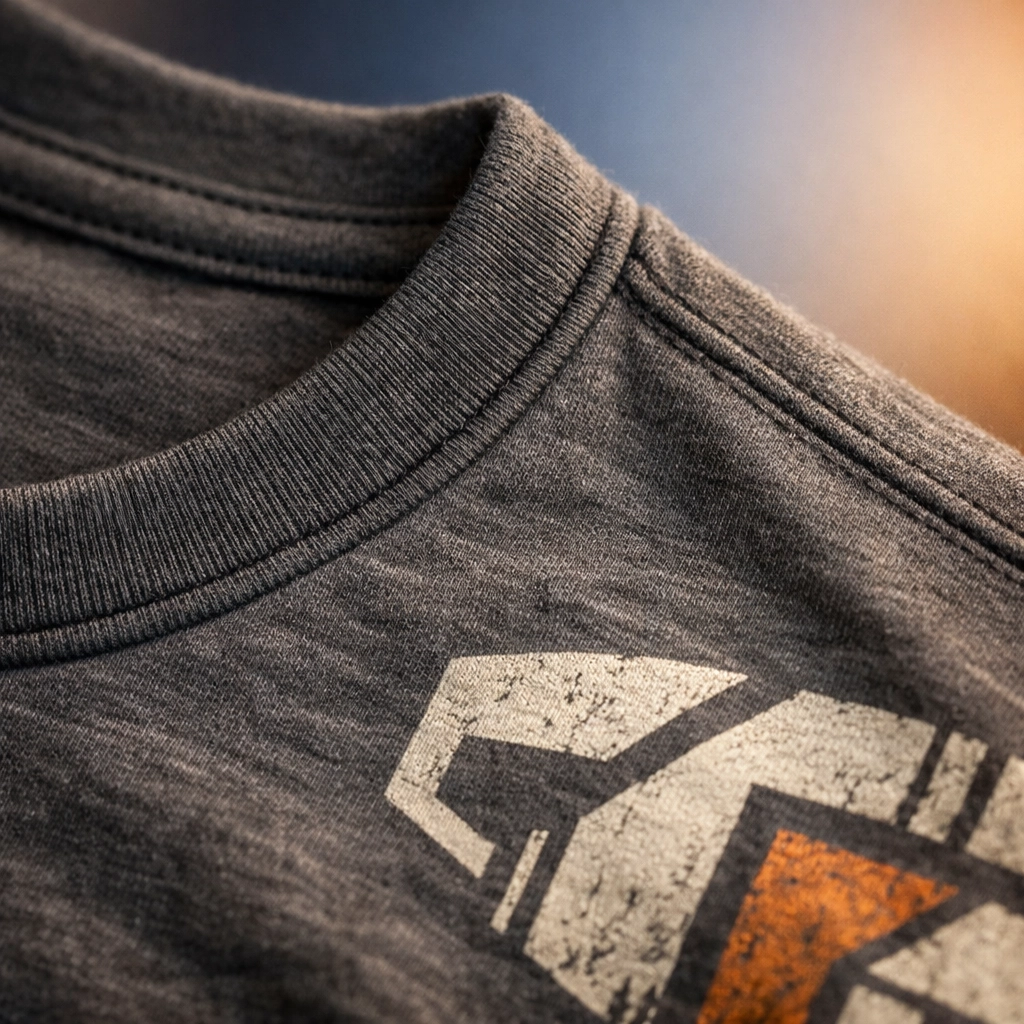 Alt-text: A high-quality, professional close-up of a premium, soft-touch heathered tee featuring sharp, high-detail screen printing and a modern retail fit.
The Technical Specs of a "Lived-In" Garment
To execute this strategy, you have to stop looking at price sheets and start looking at spec sheets. You cannot get a "lived-in" feel from a heavy, open-end cotton "promo" shirt. Those shirts are built for volume, not comfort.
If you want the shirt to stay in the rotation, you need to understand the difference between a tubular tee and a side-seamed tee. You need to know why CVC (Chief Value Cotton) blends are the workhorse of the high-end merch world.
Garment Diagnostic: Premium vs. Promo
| Feature | Standard "Promo" Shirt (Avoid) | Premium "Lived-In" Option (Recommend) |
|---|---|---|
| Construction | Tubular (no side seams, twists over time) | Side-Seamed (retains shape, retail fit) |
| Fabric | Carded Open-End Cotton (rough, heavy) | 30/1 or 40/1 Ringspun Cotton / CVC Blend |
| Example | Generic Heavyweight "Boxy" Tee | Next Level 6210 CVC or Bella+Canvas 3001 |
| Hoodie Alt | Gildan 18500 (Stiff, pilling prone) | Independent Trading Co. IND4000 |
| Print Hand | Thick, plastic-like ink (feels hot) | Soft-hand plastisol or water-based discharge |
At Breaking Free Industries, we don’t just print; we consult on these specs. We buy directly from the mills when the project demands it, ensuring that even at the 50-unit mark, you are getting the same quality tier as a national streetwear brand.
The "Lived-In" Audit: A Checklist for Operators
Before you hit "print" on your next event run, put your design and garment through this audit. If you can’t check at least four of these boxes, you are wasting your marketing budget.
- [ ] The Softness Test: Does the fabric feel "broken in" immediately? (Look for sueded cotton or high-poly blends).
- [ ] The Fit Factor: Is the cut modern? (Slightly tapered sleeves and a side-seam construction).
- [ ] The Design Restraint: Is the event date huge on the back? (Hint: The bigger the date, the shorter the lifespan. Keep branding subtle).
- [ ] Print Durability: Will the logo crack after three washes? (At BFI, we emphasize sharp detail and proper curing to ensure longevity).
- [ ] The Hoodie Rule: If it's a cold-weather event, are you using an IND4000? Don't skimp on the fleece weight.
 Alt-text: Bold black and white Breaking Free Industries logo representing second chances and industrial-grade quality.
Beyond the Garment: The Mission of Reinvention
Quality isn't just a business metric for us; it’s a reflection of our culture. Breaking Free Industries was built on the idea of second chances. We employ individuals who are reinventing their lives: people who understand that attention to detail is the difference between a "mistake" and a "masterpiece."
Whether it's a former athlete coming back from an injury to start a fitness brand, or an entrepreneur pivoting after a failed venture, the "Lived-In" strategy is a metaphor for reinvention. A garment, like a person, gains value through use, resilience, and quality. When our crew handles your 300-piece embroidery run, they aren't just punching a clock. They are applying the same grit to your stitch count that they applied to their own personal comeback.
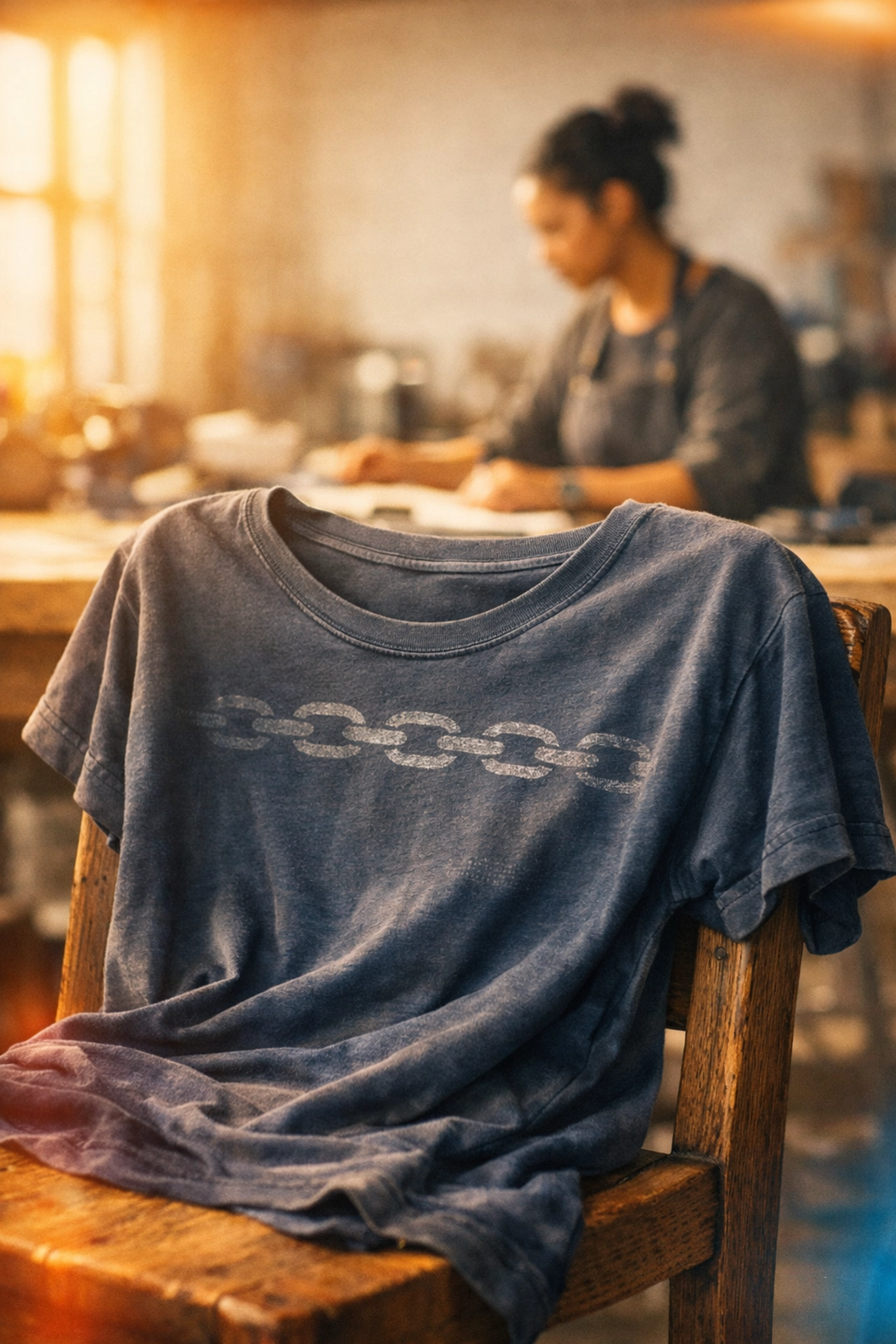 Alt-text: A vintage-wash premium tee with a distressed print, draped over a wooden chair, looking comfortable and high-end.
Why Strategic Partnerships Matter More Than Vendors
A vendor will take your vector file, slap it on a cheap blank, and ship it. They don't care if the shirt fits like a tent. A strategic partner: like what we strive to be for our Orange County neighbors: stops the process if the garment doesn't match the goal.
If you are running a 5K for a nonprofit, you need moisture-wicking tech that doesn't feel like plastic. If you are launching a new menu item at your restaurant, you need a heavyweight "streetwear" tee that can handle the heat of a kitchen and the grease of a shift, but still look cool when the server goes to a bar afterward.
We leverage our relationships with family-owned distributors to get you the right gear at the right price, with zero minimum order requirements. While we love the 50–500 range for its strategic value, we believe every brand starts somewhere. If you need one single, high-quality sample to pitch a board of directors, we do that.
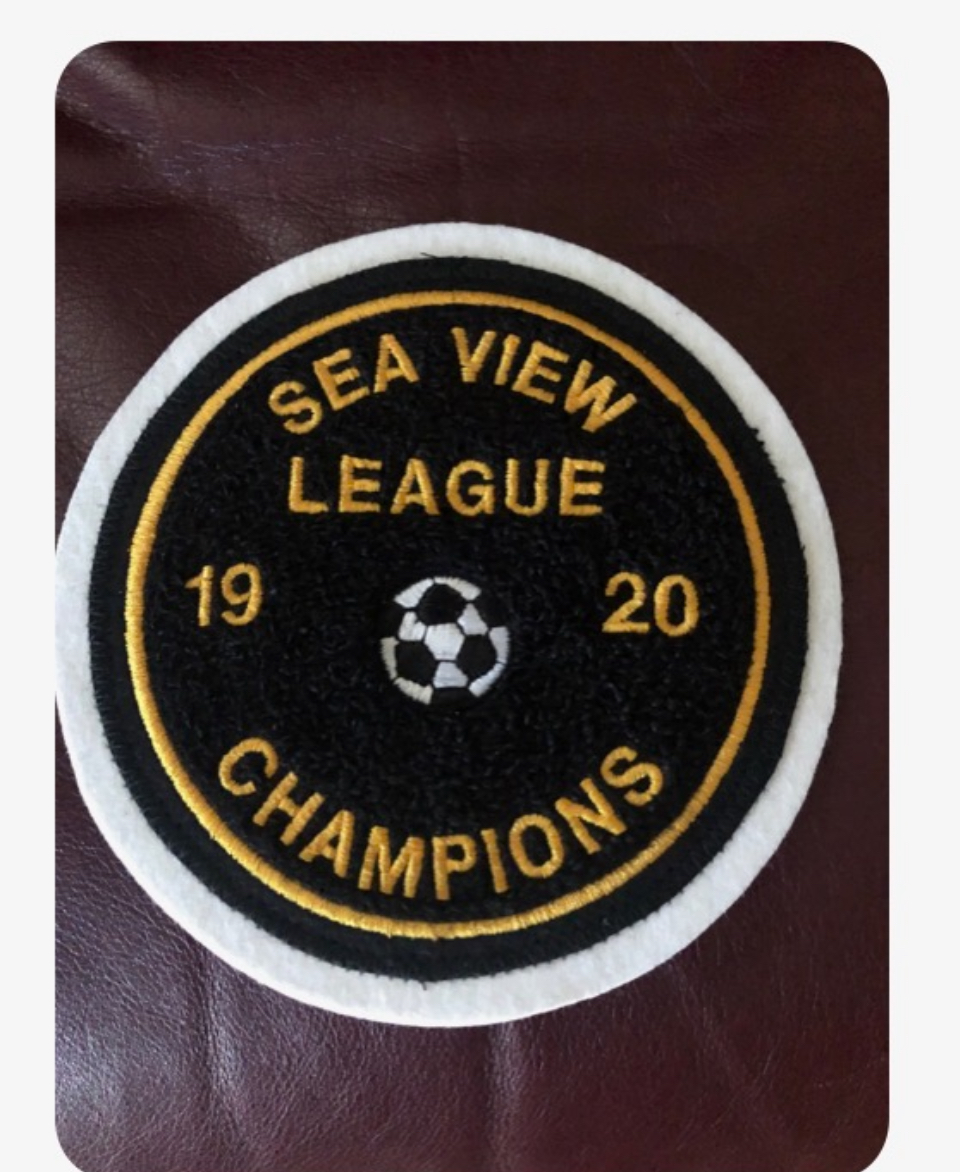 Alt-text: High-detail embroidered patch showing the precision and sharp detail of Breaking Free Industries' production work.
Tactical Design: Making Merch "Sticky"
The final piece of the Lived-In Strategy is the design itself. To make merch "sticky," you have to move away from "Promotional Design" and toward "Retail Design."
- Lower the Contrast: Instead of white ink on a black shirt, try charcoal ink on a black shirt. It looks sophisticated and wearable.
- Placement Matters: Consider a small chest hit or a hem tag instead of a massive "Look at Me" center-chest print.
- Tell a Story: Use the inside neck label to tell your mission. People love a "secret" detail.
If you're ready to stop buying rags and start building a brand asset, let's talk strategy. Whether you're looking for custom team gear or a full production partner, we’re here to ensure your merch doesn't just survive the event: it thrives in the wild.
Ready to start? Request a Custom Quote or Start Your Project today. We’ll help you find the blank that fits your brand’s comeback story.